
Abstract
While Sarshar and his magnum opus, Fasāna-i Azād, have been the subject of considerable discussion, a thorough and objective assessment of his works, as well as a well-documented account of his life, remains lacking. Does his widely discussed character, Kohji, truly represent the decadent society of Lucknow, or does it transcend our understanding of it? Does Azad's language, often criticised as ornate and contrived, actually explore the profound potential of spoken words? And does Azad’s translation of Don Quixote and other texts fall short on several counts? These questions are addressed with documentary evidence, in this article.
Author(s):
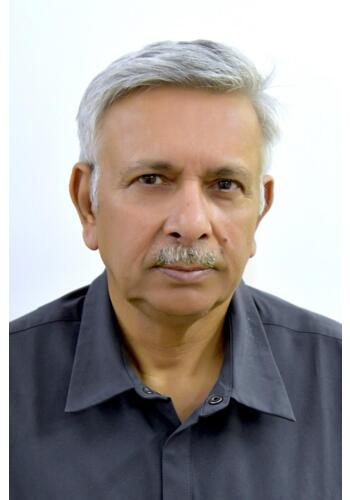
Director, Sir Syed Academy, Aligarh Muslim University, Aligarh, India
Pakistan
- shafeykidwai@gmail.com
Details:
| Type: | Article |
| Volume: | 16 |
| Issue: | 1 |
| Language: | Urdu |
| Id: | 68597b061ab28 |
| Pages | 99 - 125 |
| Published | June 23, 2025 |


This work is licensed under a Creative Commons Attribution-NonCommercial-NoDerivatives 4.0 International License.