
Abstract
Ahmed Yār Khān Yakta (d. 1734) from Khushāb, a fine poet of the Persian language, in his long poem (maṡnavī) ‘Jahān Ᾱshōb’, elegized the crises of the period after Aurangzēb Ālamgīr (d. 1706), the last of the six ‘great’ Mughal Emperors of India. The poem describes the chaos resulting from the struggle for power, the degenerating moral culture of the elite, the plight of the nobility, the rise of opportunists and culturally decadent nouveau riche, and the disintegration of higher forms of art. The poetic expression of this maṡnavī is powerful and effective.
Author(s):
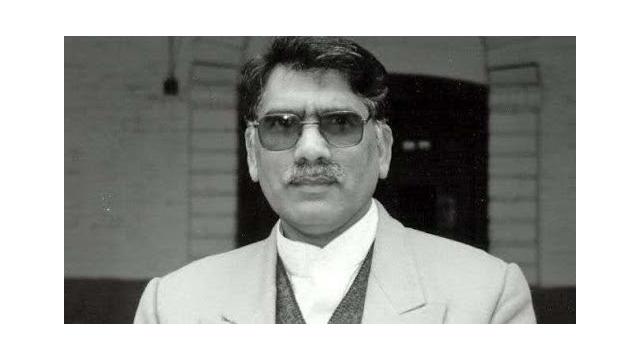
Arif Naushahi
Professor/ HeadPersian Language and Literature Department, Government Gordon College, Rawalpindi
Pakistan
- anaushahi_2000@yahoo.com
- +923009753968
Details:
| Type: | Article |
| Volume: | 5 |
| Issue: | 1 |
| Language: | Urdu |
| Id: | 5f8df262b72ad |
| Pages | 29 - 48 |
| Published | August 24, 2014 |


This work is licensed under a Creative Commons Attribution-NonCommercial-NoDerivatives 4.0 International License.